With the foundation set, the most practical place to begin is safety—an essential consideration for any staircase, regardless of design preference. Whether a staircase blends quietly into its surroundings or stands out as a defining architectural feature depends largely on material choice. Carpeted stairs and hardwood stairs remain the most preferred options, each offering distinct advantages that appeal to different lifestyles and design priorities.
At Empire Stairs & Flooring, there is no universally “better” option—only what works best for your home, lifestyle, and design goals. This blog will offer a balanced, decision-focused comparison to help you choose the right one for your home.
Understanding the Role of Staircases in Modern Homes
Staircases are no longer treated as secondary structures. In contemporary interiors, they function as visual anchors that influence flow, proportion, and the overall experience of a space.
Whether you prefer a soft, quiet ascent or a bold architectural statement, the material underfoot matters more than most homeowners expect.
Before comparing materials, let’s step back and consider how your staircase functions in your home.
Is it a central architectural feature or tucked away from main living spaces? Do children, seniors, or pets use it daily? Is noise a concern? Are you aiming for a warm, cozy interior or a sleek, modern aesthetic?
Hardwood and Carpeted stairs respond very differently to these needs. Understanding their characteristics allows you to make a choice that feels intentional rather than reactive.
Safety: Grip, Stability, and Everyday Use
Safety is often the first concern, especially in family homes.
Carpet stairs naturally offer more traction. The soft surface provides grip underfoot, reducing the risk of slipping. This makes carpet a popular choice in homes with young children, elderly family members, or pets. The cushioning also helps soften the impact if someone does lose their footing.
Hardwood stairs, when properly finished and installed, are safe and durable, but they do require more attention to detail. Smooth wood surfaces can feel firm underfoot, and slip resistance depends on the finish, stair nosing, and handrail design. Many homeowners enhance safety by pairing hardwood treads with well-designed railings or subtle anti-slip solutions that do not compromise aesthetics.
Both options can be safe when planned correctly. The difference lies in how much natural grip you want built into the surface itself.
Comfort: How Stairs Feel Underfoot
Comfort goes beyond softness. It includes sound, temperature, and overall usability.
Carpeted Stairs and Comfort
Carpeted stairs are quieter and warmer. They absorb sound, which can make a noticeable difference in multi-level homes.
From a daily-use perspective, carpeted stairs feel forgiving and soft. They create a relaxed, family-friendly atmosphere that prioritizes ease and comfort.
Hardwood Stairs and Comfort
Hardwood stairs feel solid and grounded. It is appreciated for the firmness and sense of quality that wood provides. While they can be cooler to the touch, this is often seen as part of their clean, refined character. In homes with consistent indoor temperatures, this difference is usually minor.
Comfort is subjective. Some prefer the gentle feel of carpet, while others value the stability and structure of hardwood.
Style and Visual Impact: Subtle Warmth vs Architectural Presence
Style is where these two options diverge most clearly.
Carpet Stairs: Soft Elegance and Versatility
Carpeted stairs bring warmth and softness into a space. They blend seamlessly into traditional, transitional, and family-oriented interiors. With today’s wide range of textures, patterns, and neutral tones, carpet no longer feels dated or limiting.
Carpet allows homeowners to introduce subtle design elements without overpowering the surrounding space. It works well when stairs are meant to complement rather than dominate interior design.
Hardwood Stairs: Statement-Making Design
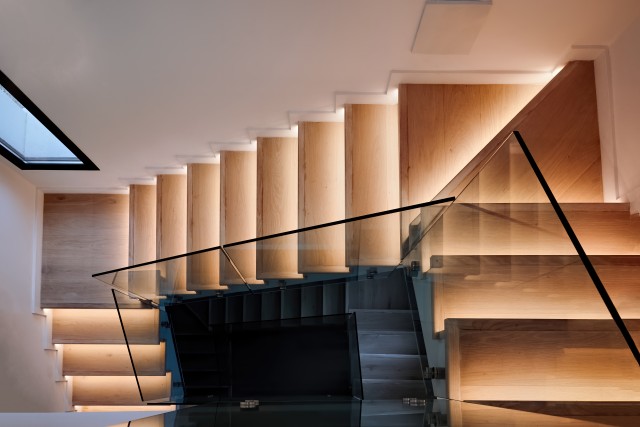
Hardwood stairs create an immediate visual impact. They highlight craftsmanship, geometry, and material quality. Open risers, floating designs, and custom handrails all showcase wood’s natural beauty.
Hardwood stairs suit modern, contemporary, and luxury homes where architectural features take center stage. They elevate the overall interior and create continuity with hardwood flooring throughout the home.
At Empire Stairs & Flooring, hardwood staircases are often designed as focal points, reflecting both precision and personality.
Maintenance and Longevity: Short-Term Care vs Long-Term Value
Every material requires care, but the type of maintenance differs.
Carpet stairs benefit from regular vacuuming and occasional deep cleaning. High-quality carpets designed for stairs are made to withstand wear, but they do show dirt more easily than wood. Choosing the right texture and color plays a major role in long-term appearance.
Hardwood stairs are easier to clean on a day-to-day basis. Dust and debris can be removed quickly. Over time, wood may show scratches or wear, especially in high-traffic areas, but it can be refinished to restore its original beauty. This ability to renew is a strong advantage for many homeowners.
Maintenance should be viewed as part of the ownership experience, not a drawback. Each option rewards proper care in its own unique way.
Lifestyle Fit: How You Live Matters Most
There is no need to frame this decision as one option being superior to the other. Carpeted and hardwood stairs serve different purposes and suit different lifestyles. Choosing between the two should reflect how your home functions day to day.
Choose carpeted stairs if:
- Safety and softness are top priorities
- Noise reduction matters
- You want a warm, comfortable feel
Choose hardwood stairs if:
- Design impact is important
- You prefer a clean, architectural look
- Long-term refinishing potential appeals to you
Neither choice is inherently better. The right decision aligns with your lifestyle, not trends.
Budget and Value Considerations
Both carpeted and hardwood stairs are available across a wide price range in Brampton.
Carpeted stairs often have a lower upfront cost, depending on the material choice. They can be an efficient way to update a staircase while maintaining comfort and safety.
Hardwood stairs typically involve a higher initial investment, especially for premium wood species and custom detailing. However, they are often seen as a long-term value addition due to durability and timeless appeal.
At Empire Stairs & Flooring, the focus is always on value rather than price alone. The right solution balances cost, longevity, and design impact.
Make a Thoughtfully Uncompromised Choice
Your staircase should reflect how you live and what you value in your home. Whether you lean toward the quiet comfort of carpet or the refined elegance of hardwood, the best choice is one made with clarity and expert guidance.
With decades of experience, Empire Stairs & Flooring is helping homeowners explore these options, focusing on safety, comfort, and style in equal measure. When designed and installed with care, both hardwood and carpeted stairs can elevate your interior and support daily life beautifully.
Connect with us for custom stairs and railing installation in Brampton. Decorating your home at its best with care!
FAQs on Carpeted Stairs
- What type of carpet works best for stairs?
Low-pile, dense carpets with strong backing work best for stairs. They hold their shape, resist wear, and maintain a clean look despite daily foot traffic. - Do carpeted stairs get dirty quickly?
Stairs are high-traffic areas, but choosing durable fibres and balanced colour tones helps hide wear. Regular vacuuming and periodic deep cleaning keep carpeted stairs looking fresh. - Can I install carpet on existing hardwood stairs?
Yes. Carpet can be installed over existing hardwood stairs if the structure is sound. Proper preparation ensures a secure fit without damaging the underlying wood. - How long do carpeted stairs typically last?
With quality materials and proper installation, carpeted stairs can last many years. Longevity depends on foot traffic, carpet type, and maintenance habits. - Do carpeted stairs affect home resale value?
Carpeted stairs do not negatively impact resale when they are well-maintained and thoughtfully chosen. Neutral colours and quality installation help stairs blend seamlessly with the home’s overall design. - Is it cheaper to carpet or replace stairs?
Carpeting stairs is usually more affordable upfront since it uses the existing stair structure. Replacing stairs costs more but offers long-term durability, design flexibility, and a higher-impact visual upgrade.