Flooring
Transform Your Space with Stunning Flooring: Your Ultimate Guide to Installation
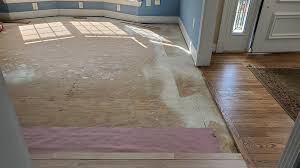
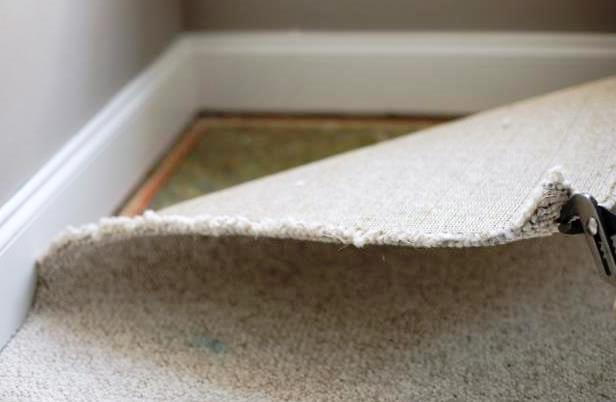
Preparation: Before installing new flooring, ensure the subfloor is clean, level, and dry. Smooth out high spots and fill any low areas with a leveling compound.
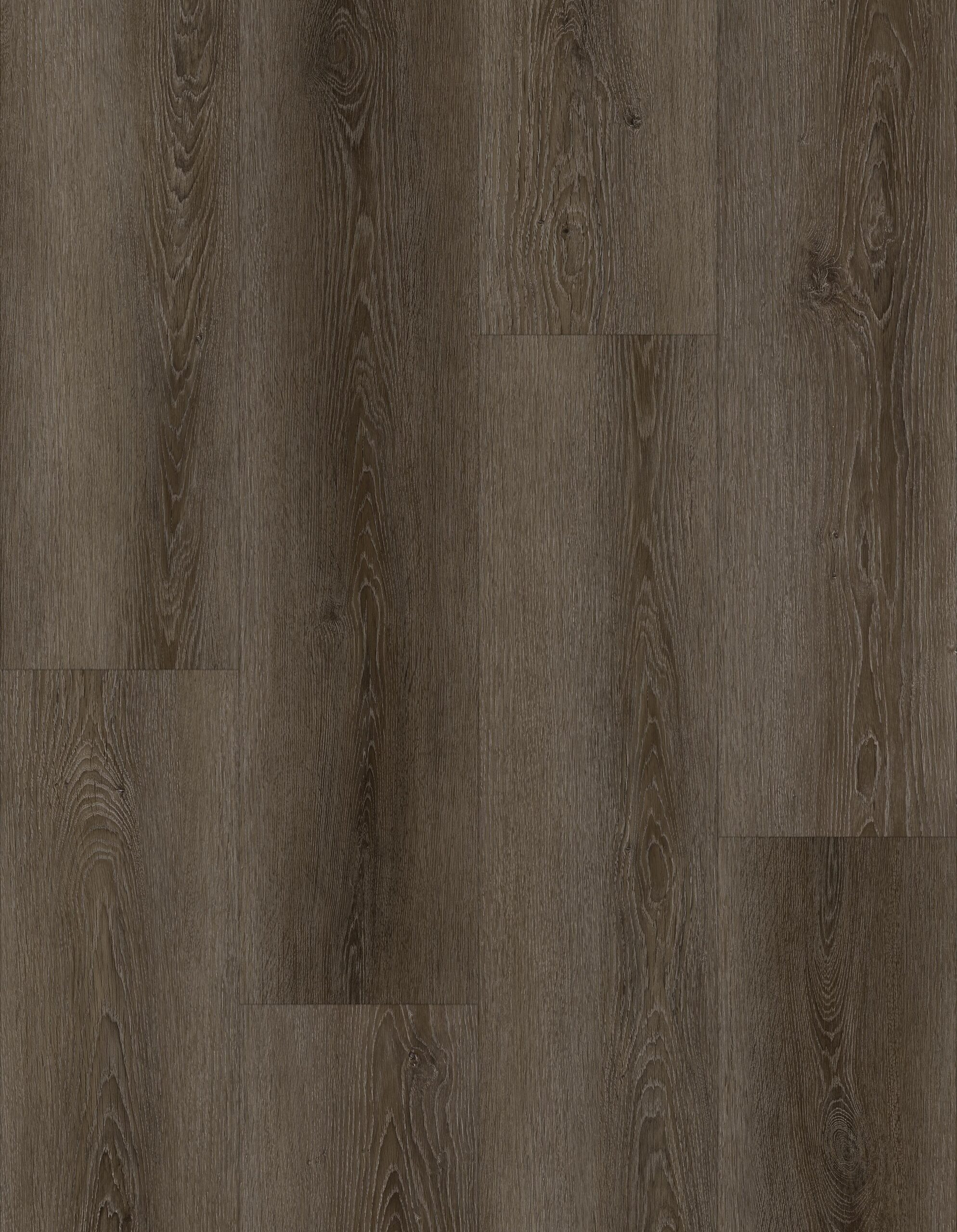
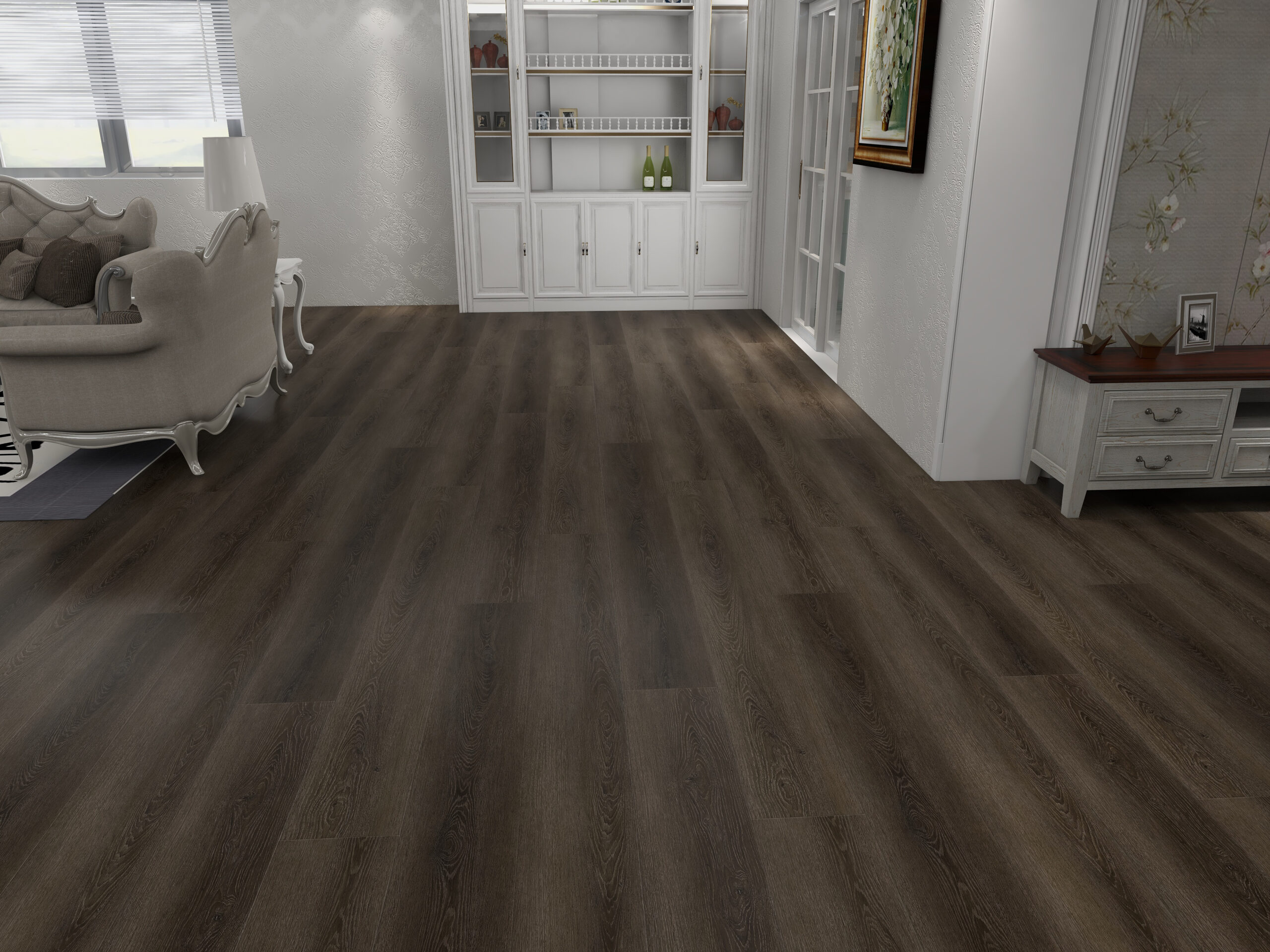
Choosing Materials: There are various flooring options to consider, such as vinyl, laminate, hardwood, tile, and engineered wood, each with its own installation methods and aesthetic appeal. For example, vinyl planks are known for their durability and ease of installation.
Acclimation: Wood and laminate floors need to adjust to the room’s temperature and humidity for about 48 hours before installation to prevent warping.
Installation
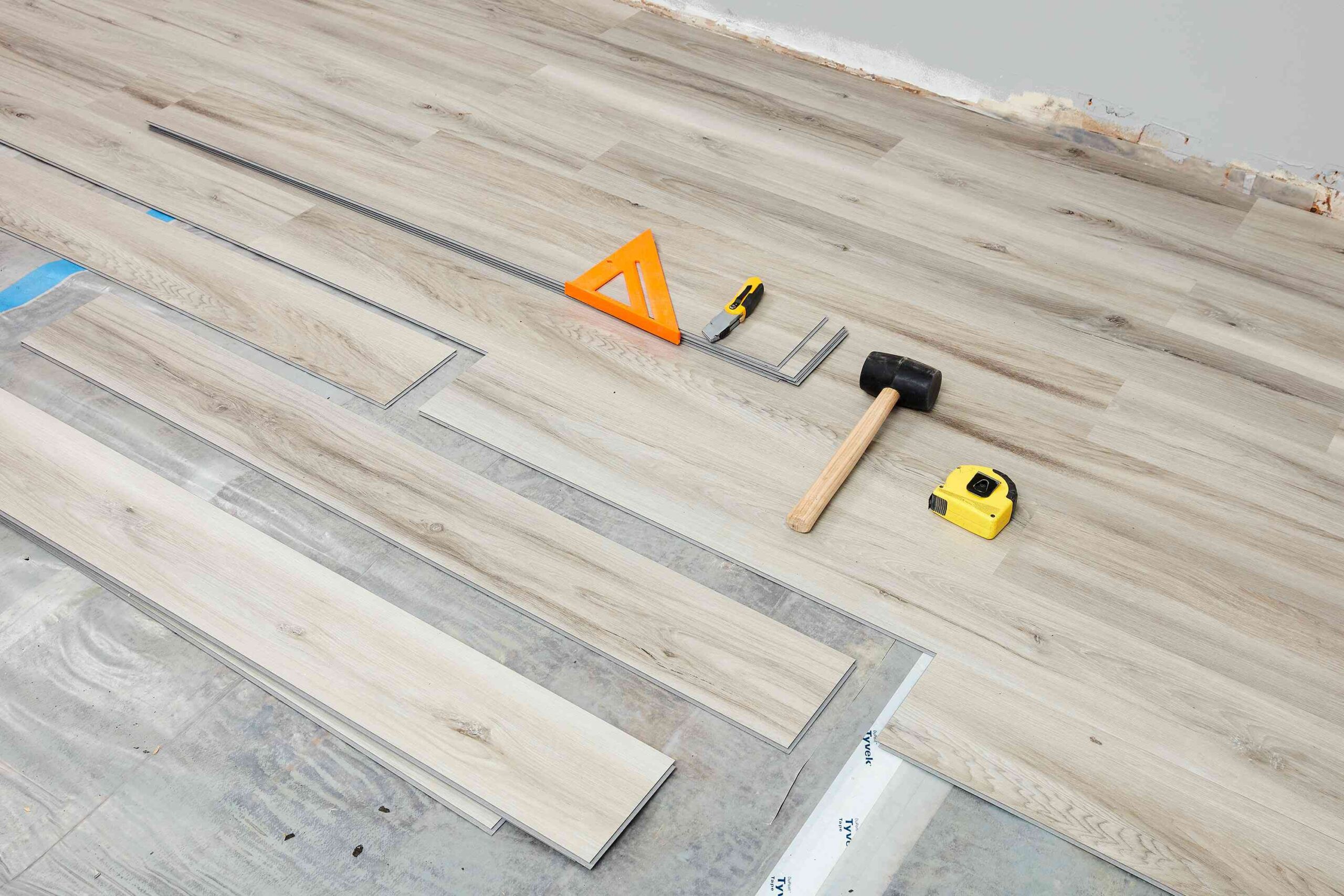
- Vinyl Plank Flooring: Begin laying the planks from the left corner of the room, ensuring each row’s ends are staggered for a natural look. Use spacers to maintain an expansion gap around the room’s perimeter.
Laminate Flooring: Start with underlayment for moisture protection and a smoother surface. Lay the laminate planks from one side of the room to the other, leaving an expansion gap.
Engineered Hardwood Flooring:
- Floating Installation: Click the planks together without glue or nails, starting from one side of the room and working across.
- Glue-Down Installation: Apply adhesive to the subfloor and firmly place the planks on top, following the adhesive manufacturer’s instructions.
- Nail-Down Installation: Secure the planks to a wooden subfloor using nails or staples.
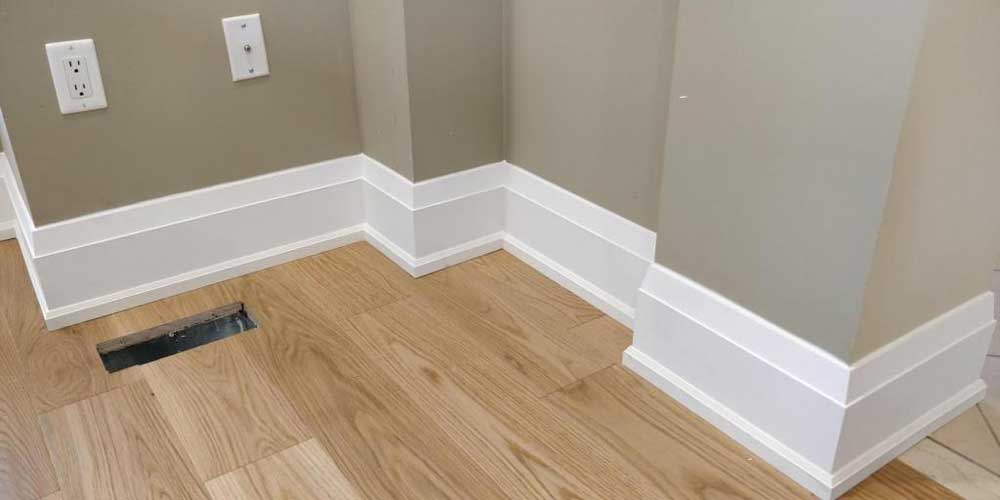
Finishing Touches: Complete the installation by installing baseboards, thresholds, and shoe molding to cover expansion gaps and give your new floor a polished look.
Maintenance
- Protective Measures: Use doormats and area rugs to protect high-traffic areas.
- Regular Inspections: Check for signs of wear, damage, or moisture regularly.
- Follow Manufacturer’s Guidelines: Always adhere to manufacturer recommendations for cleaning and maintenance.
- Proper Ventilation: Ensure good ventilation to prevent moisture buildup, which can damage many types of flooring.
Remember, proper maintenance not only keeps your flooring looking beautiful but also prevents costly repairs and replacements down the line.
Key Features
Purpose
Flooring provides a durable, functional, and attractive surface for comfort and safety.
Process
The flooring process involves preparing the subfloor, installing the flooring, and finishing with trimming and cleaning.
Customization
Tailor your floor design, material, color, pattern, and finish to match your unique style and functional needs.
Cost
Flooring installation costs vary based on material, labor, and area size.
Disruption
Disruption during flooring includes noise, dust, restricted access, and temporary relocation of furniture and belongings.
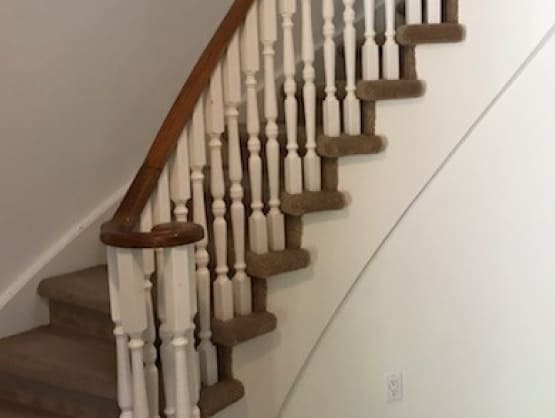
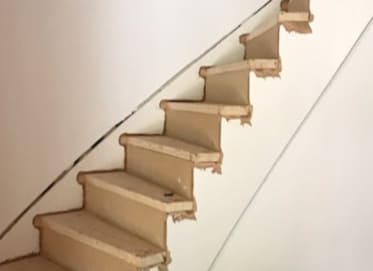
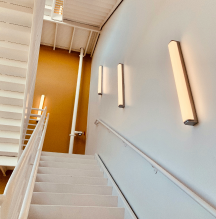
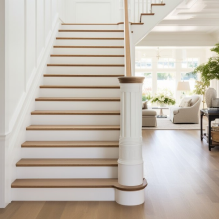
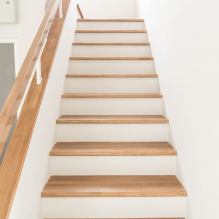
Stages of Stair Flooring
When it comes to selecting flooring materials, not all options are created equal. We’ve thoroughly explored this matter to ensure your decision is well-informed and guided by professional insights. The key qualities of superior flooring materials include:
Which flooring types work best for kitchens and stairs?
Engineered hardwood, hardwood, and moisture-resistant options suit kitchens; for stairs, durable hardwood with slip control is ideal.
How much does flooring installation cost in Canada?
Flooring installation in Canada typically ranges from $6 to $12 per square foot, depending on material type, labor, subfloor condition, and finish. Hardwood and tile installations generally cost more than laminate or vinyl options.
How much does it cost to get flooring fitted?
Floor fitting costs vary by region and material. Expect $3 to $10 per square foot for standard installation, excluding removal or underlayment. Custom layouts and stairs increase total labor expenses.
How much does it cost to install 1000 square feet of hardwood flooring?
Installing 1,000 sq. ft. of hardwood flooring in Canada costs between $8,000 and $14,000, depending on wood species, finish, layout complexity, and prep work. Premium hardwood and intricate designs raise total costs.
What is the lifespan of hardwood floors?
High-quality hardwood floors can last 50 to 100 years with proper care, refinishing, and maintenance. Regular cleaning and professional recoating extend durability, preserving both beauty and structural integrity over decades.
How long does tile flooring last?
Tile flooring typically lasts 50 years or more when installed correctly and maintained. Empire Stairs uses premium materials and professional techniques to ensure long-lasting durability, stain resistance, and timeless aesthetic appeal.
How to maintain and care for hardwood stairs and floors?
Use a soft broom or vacuum, avoid excessive moisture, use felt pads under furniture, and recoat finishes every few years as needed.
What if I find defects or issues post-installation?
Contact Empire immediately — they honor post-project warranty and will assess and rectify issues in a timely manner.
How do I prepare my home before flooring installation?
Preparing your home includes clearing furniture, removing fragile items, disconnecting appliances if needed, and ensuring a clean, dry subfloor. Proper preparation helps installers work efficiently and ensures a smooth, high-quality installation.
Can new flooring be installed over existing floors?
Yes, certain floors like vinyl, laminate, and engineered wood can be installed over existing surfaces if the base is level and stable. However, damaged, uneven, or soft flooring must be removed before installation.
Other Services
At Empire Stairs & Flooring, we are committed to alleviating the complexities of this process by providing steadfast guidance at every step, ensuring that you find the hardwood stair that perfectly complements your living space.